
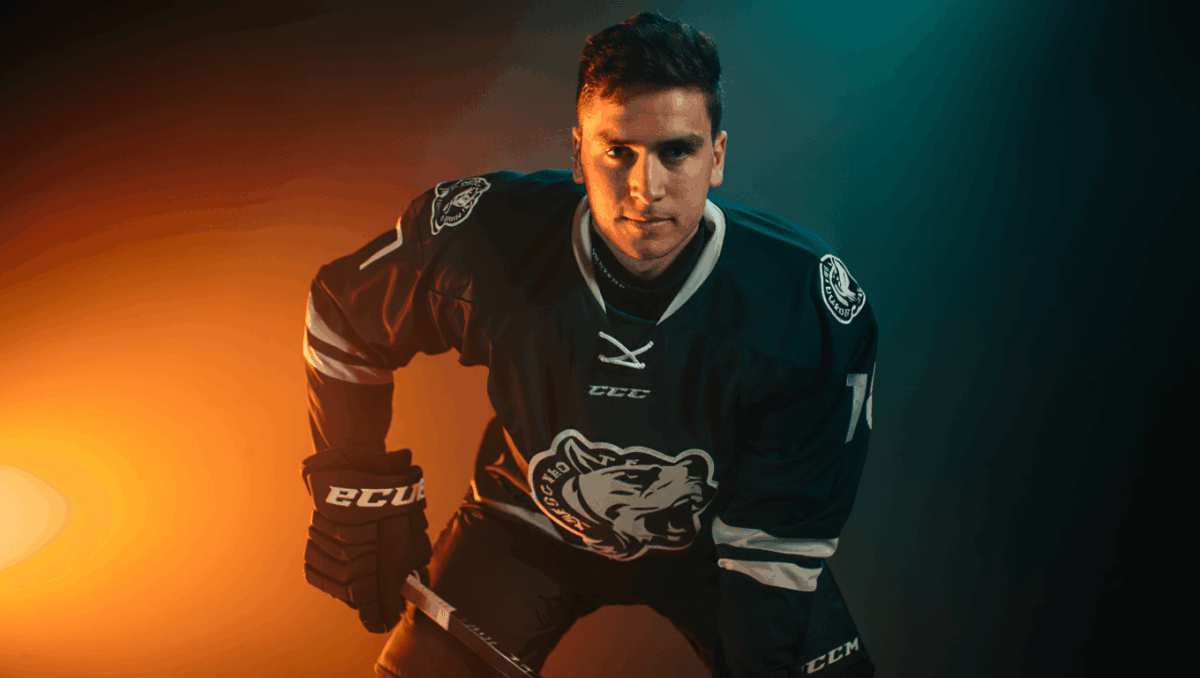
Jeremy Langlois walked out of Brigham and Women’s Hospital with a clean bill of health. The UMaine freshman defenseman got stretchered off the ice during Saturday’s game against Boston College. But here’s the kicker—all his tests came back normal. It was a scary moment that had everyone holding their breath.
Powerball winner scoops $1.817 billion on Christmas Eve, what happens next will change their life forever
Zendaya shuts down pregnancy rumors after viral London outing with Tom Holland goes too far—here’s what she actually said
🔥 Quick Facts:
- Collision happened with 8:46 remaining in the third period
- CT scans and X-rays came back completely normal
- Released from hospital on Monday, Nov. 24
- Back in Orono under UMaine sports medicine care
- No penalty was assessed on the play
What Happened on Saturday Night?
The 6-foot-1, 185-pound defenseman was chasing the puck when things went wrong fast. A check sent him awkwardly into the boards with brutal force. Langlois hit his head on the ice during impact. The game stopped immediately.
Arkansas lottery wins $1.817 billion Powerball jackpot on Christmas Eve, here’s what happens to the money
Powerball winner scoops $1.817 billion jackpot on Christmas Eve, but nobody knows who they are yet
Medical personnel rushed out with a stretcher. Langlois stayed conscious and aware. He was carefully loaded and taken off the ice. UMaine staff moved quickly to get him to Brigham and Women’s Hospital for immediate evaluation. The play happened right near the end of the game—UMaine went on to blank Boston College anyway.
“After a collision in Saturday night’s game, Jeremy Langlois was taken to Brigham and Women’s Hospital for evaluation where CT scans and X-rays were normal.”
Why This Matters for College Hockey
Head collisions in hockey terrify coaches, parents, and teammates. They’re unpredictable. They’re dangerous. Every player and fan watching knows injuries can turn scary fast. But modern medical protocols are working. Quick responses save lives.
Langlois got the right care at the right time. The fact his tests came back normal doesn’t mean the scare wasn’t real. It means the system worked. UMaine staff got him to specialists immediately. Brigham and Women’s had the expertise ready. And now he’s resting with round-the-clock monitoring.
Recovery Timeline and Next Steps
The freshman defenseman is now back on campus in Orono, Maine. UMaine’s sports medicine team continues evaluating his condition. The university didn’t announce when he might return to play. That’s the smart approach—never rush recovery after a head impact.
| Status Update | Details |
|---|---|
| Hospital stay | Released Monday after evaluation |
| Test results | CT scans and X-rays all normal |
| Current location | Back at UMaine in Orono |
| Monitoring | UMaine sports medicine staff |
| Return to play | TBA (clearance required) |
The key thing here? Nobody’s rushing. Coach Ben Barr and his staff know better. Yes, UMaine wants Langlois back healthy. But long-term health beats a few games any day of the week.
What the Hockey Community Is Watching
College hockey’s been working on concussion protocols for years. UMaine’s response showed exactly why those investments matter. Fast identification. Fast transport. Fast evaluation. Proper medical specialists weighing in.
- Universities now have certified athletic trainers on sidelines constantly
- Baseline testing happens before seasons start across programs
- Hospital partnerships like Brigham and Women’s provide expert care instantly
- Sport medicine staffs cleared by NCAA guidelines handle recovery protocols
- Second-impact syndrome awareness has changed coaching approaches entirely
Is This the New Standard in College Hockey?
Yes. And it should be. Programs compete at the highest levels. But player safety comes first. Langlois’s case shows that commitment in action, not just words. He got exceptional care. His tests were clear. He’s being monitored properly.
The scary hit happened. But he’ll be okay. That’s what matters now. The combination of immediate response, proper medical facilities, and ongoing monitoring is exactly how you handle these terrifying moments. Welcome back to Orono, Jeremy. Take the time you need.
Sources
- Bangor Daily News – Original reporting on UMaine hockey injury and hospital release
- UMaine Athletics – Official statement and medical update
- Sports Illustrated – Game details and injury reporting
Daniel Harris is a specialist journalist focused on the crossroads of breaking news, extraordinary history, and enduring legends. With a background in historical research and storytelling, he blends timely reporting with timeless narratives, making complex events and ancient myths resonate with today’s readers. Daniel’s work often uncovers surprising links between present-day headlines and legendary tales, offering unique perspectives that captivate diverse audiences. Beyond reporting, he is passionate about preserving oral traditions and exploring how extraordinary stories continue to shape culture and identity.