
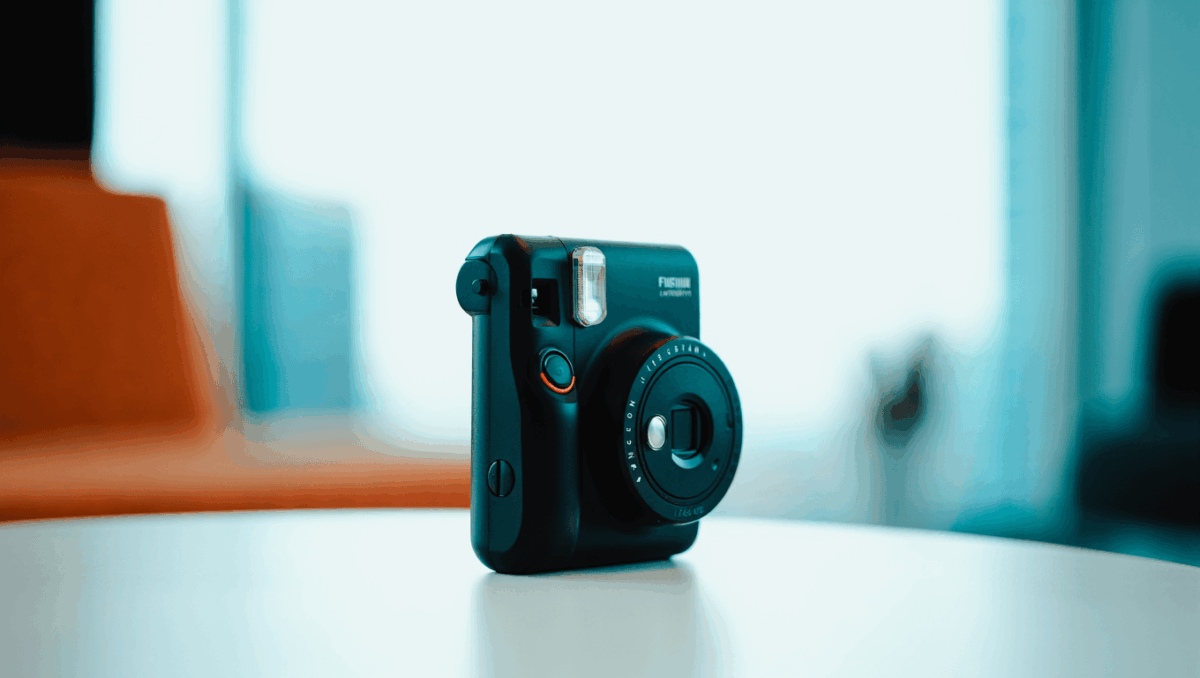
Fujifilm just launched the Instax Mini Evo Cinema, a hybrid instant camera that does something no other camera has done before. You can now record 15-second video clips and print them as retro-style instant photos with QR codes embedded. It launches in Japan on January 30, 2026, and this is the weirdest, most nostalgic camera of the year.
🔥 Quick Facts
- Video Recording: Captures up to 15-second clips that convert to QR-coded instant prints
- Eras Dial Technology: 10 retro era effects with 10 adjustable levels, totaling 100 unique expressions
- Design Inspiration: Vertical grip styled after Fujifilm’s classic FUJICA Single-8 camera from 1965
- Release Timeline: Available in Japan starting January 30, 2026, pricing and global availability TBA
What Happens When a Camcorder Meets Instant Film
America’s Next Top Model documentary drops today on Netflix with shocking revelations
Dana Eden dies at 52, Tehran producer found dead in Athens hotel
The Instax Mini Evo Cinema isn’t just a camera that prints photos. It’s a 3-in-1 device that captures videos, prints still frames, and functions as a smartphone printer all in one compact unit. Hold the shutter button to record videos up to 15 seconds long. Release to pause. You can shoot multiple clips and instantly review footage on the rear monitor. The revolutionary feature is what comes next. Select your favorite moments, and the camera prints them as Instax instant photos with embedded QR codes. Others can scan the code to view the full video clip online, preserving memories in tangible form while sharing them digitally. It’s the perfect blend of analog warmth and digital convenience.
The camera features a 5MP CMOS sensor with a fixed 28mm F2.0 lens and includes stereo microphones for capturing audio. Users can edit videos using the dedicated smartphone app, combining clips into a maximum 30-second video. The app also allows direct printing of smartphone images straight to Instax film.
10 Retro Eras, 100 Creative Expressions
Tommy Lee Jones’ daughter was pregnant before her tragic death, court docs reveal
J Cole announces The Fall-Off world tour, first global dates in decades
The standout feature is the Eras Dial, a ingenious control that transports your footage to different decades. Ten era effects span from 1940 (inspired by three-color film processes) to 2010 (evoking smartphone photo-editing apps). Each effect has 10 adjustable intensity levels, creating a total of 100 unique visual styles. The 1960s effect mimics classic 8mm film cameras, complete with grain and flutter. The 1970s option recreates CRT television textures. Audio isn’t forgotten either. Each era effect includes distinctive sound characteristics, with certain modes playing nostalgic noises like mechanical film reels whirring during recording.
The effects capture subtle details that make footage feel authentically vintage. Users don’t just get visual filters—they get an immersive time-travel experience. The tactile Eras Dial with its satisfying click feedback enhances the analog charm, making every adjustment feel intentional and joyful.
Vertical Grip Design Inspired by Cinema History
The camera’s aesthetic is as important as its functionality. Fujifilm designed the Mini Evo Cinema with a distinctive vertical grip styled directly after the FUJICA Single-8, the company’s groundbreaking 8mm home movie camera launched in 1965. The body combines premium black and gray finishes with analog-inspired details. A Print Lever evokes the satisfaction of hand-winding film. An included viewfinder attachment lets users shoot with an eye-level perspective, while a grip attachment improves stability for larger hands.
| Specification | Details |
| Release Date | January 30, 2026 (Japan) |
| Video Duration | Up to 15 seconds per clip |
| Sensor Type | 5MP 1/5-inch CMOS |
| Eras Effects | 10 decades with 10 levels each (100 total) |
How QR-Coded Prints Bridge Analog and Digital Worlds
After capturing and selecting your favorite video moment, the Instax Mini Evo Cinema prints a physical photograph with a QR code embedded in the image. When friends or family scan the code with their smartphone, it directs them to your video hosted on Fujifilm’s servers. The company stores video data for up to two years at no additional cost. Users can also customize prints using poster templates available in the dedicated app, adding titles and text for a true movie-poster aesthetic. The app supports Wi-Fi and Bluetooth connectivity for faster transfers, allowing users to preview and select videos before sending them to the printer. This hybrid approach lets you preserve memories both physically and digitally.
“The mini Evo Cinema can capture both still images and videos. It converts captured video data into a QR code and creates an Instax print together with a still image cut out from the video, allowing users to ‘hand over a video.'”
— Fujifilm Corporation, Official Product Announcement
Will This Revolutionary Camera Come to Your Country?
The Instax Mini Evo Cinema launches in Japan on January 30, 2026, but Fujifilm hasn’t confirmed pricing or global availability yet. Industry speculation suggests it could land in the $249-$299 range, positioning it as a premium instant camera alternative. The original Instax Mini Evo retails around $200-$235 currently, so the Cinema version with video capabilities would likely command a notable premium. Since Instax production increased by 50 percent from 2022 through 2026, the company appears confident about instant camera demand. Whether this spreads to North America, Europe, and other regions remains unclear. Tech enthusiasts and content creators worldwide are watching closely, anticipating an official announcement that could redefine how people share memories.
Sources
- Fujifilm Corporation – Official product announcement and press release from Tokyo headquarters
- PetaPixel – Comprehensive coverage of camera specifications and features
- The Verge – Technical breakdown and design analysis of Eras Dial technology

Jessica Morrison is a seasoned entertainment writer with over a decade of experience covering television, film, and pop culture. After earning a degree in journalism from New York University, she worked as a freelance writer for various entertainment magazines before joining red94.net. Her expertise lies in analyzing television series, from groundbreaking dramas to light-hearted comedies, and she often provides in-depth reviews and industry insights. Outside of writing, Jessica is an avid film buff and enjoys discovering new indie movies at local festivals.