
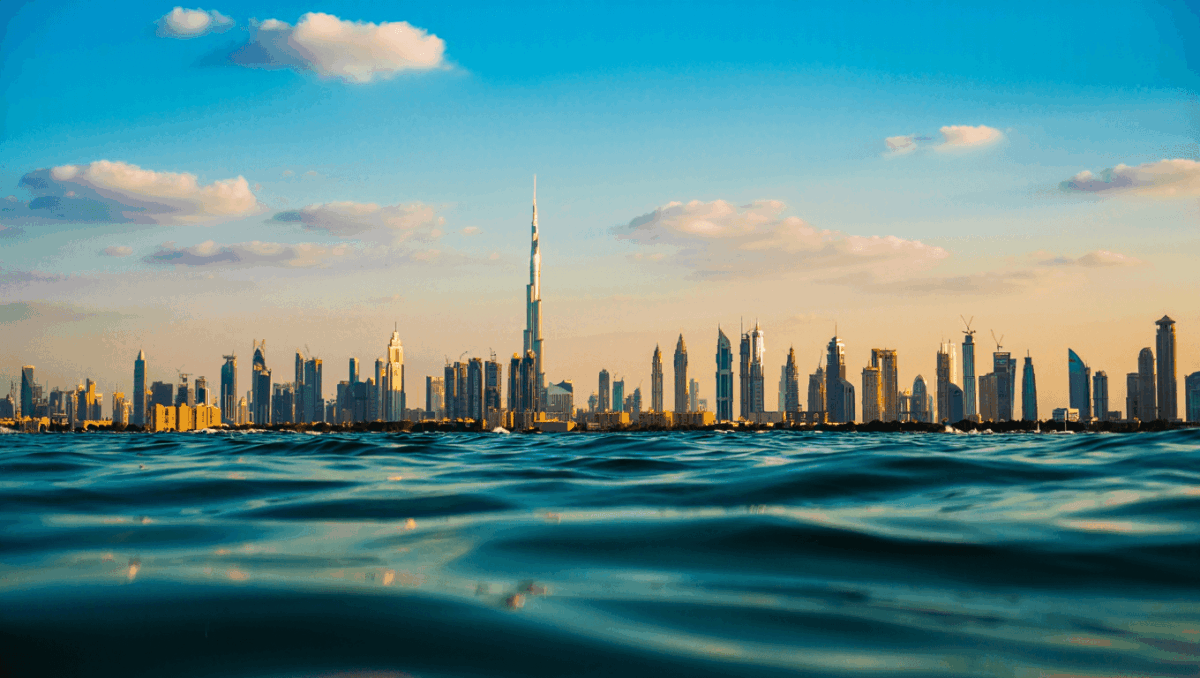
Burj Khalifa still dominates Earth at 828 meters, but its reign won’t last forever. Saudi Arabia’s Jeddah Tower is racing to construction’s 80th floor, threatening to claim the crown by 2028. Discover what makes these architectural titans so extraordinary.
🔥 Quick Facts
- Reigning Champion: Burj Khalifa held top spot for 17 consecutive years since opening in 2010
- Top 3 Towers: Burj Khalifa (828m), Merdeka 118 (679m), Shanghai Tower (632m)
- Design Innovation: Skidmore, Owings & Merrill created Y-shaped floors inspired by desert flowers
- Future Threat: Jeddah Tower will surpass Burj Khalifa by 172 meters when complete
The Burj Khalifa Empire: Still Standing Tall
America’s Next Top Model documentary drops today on Netflix with shocking revelations
Dana Eden dies at 52, Tehran producer found dead in Athens hotel
Dubai’s architectural masterpiece claimed its title in 2010 and hasn’t looked back. At 828 meters high, the Burj Khalifa towers over second-place Merdeka 118 by 149 meters. The structure features 163 above-ground floors, each meticulously designed by Adrian Smith’s team to maximize space and elegance. Residents and visitors occupy everything from luxury apartments to observation decks offering 360-degree spectacular views of Dubai’s coastline.
The tower’s engineering brilliance lies in its buttressed core design, which supports extreme wind loads and seismic forces. Twenty-two million man-hours were required during construction. Today, the building demands 250,000 gallons of water daily and uses electrical power equivalent to 360,000 burning light bulbs.
Global Ranking Transformed: New Titans Rise
Tommy Lee Jones’ daughter was pregnant before her tragic death, court docs reveal
J Cole announces The Fall-Off world tour, first global dates in decades
Malaysia’s Merdeka 118 seized the second-place title in 2023, dethroning China’s Shanghai Tower which held the position since 2015. The 679-meter Malaysian skyscraper marks a significant shift in vertical architecture toward Southeast Asia. Meanwhile, Shanghai Tower remains an engineering marvel at 632 meters with its distinctive spiral design. Mecca’s Abraj Al-Bait Clock Tower ranks fourth at 601 meters, combining religious significance with architectural grandeur.
The competition reflects how 21st-century construction techniques enable unprecedented heights. Hong Kong leads the world with 569 skyscrapers, followed by Shenzhen and New York City. Since 2017, 49 of the world’s 100 tallest buildings have been completed, with only 13 from the twentieth century remaining in the top rankings.
Architectural Innovations Behind the Rankings
| Building | Height | Floors | Architect |
| Burj Khalifa | 828m | 163 | SOM |
| Merdeka 118 | 679m | 118 | Fender Katsalidis |
| Shanghai Tower | 632m | 128 | Gensler |
| Makkah Clock Tower | 601m | 120 | Dar Al-Handasah |
Burj Khalifa’s Y-shaped footprint deserves credit for its architectural success. The design draws inspiration from Islamic geometric patterns and regional desert flowers, creating an aesthetic masterpiece. Structural engineers opted for a reinforced concrete core rather than traditional steel, providing superior wind resistance. The building’s triple-tiered spire reaches dramatically skyward, accounting for nearly 200 meters of its total height.
“The Burj Khalifa has been classified as megatall and represents the pinnacle of engineering achievement in the 21st century.”
Council on Tall Buildings and Urban Habitat (CTBUH)
Jeddah Tower’s Challenge: The 1,000-Meter Dream
Saudi Arabia’s ambitious Jeddah Tower just passed 80 floors in January 2026, signaling serious momentum toward 2028 completion. When finished, the 1,000-meter structure will dwarf Burj Khalifa by an astounding 172 meters. This world-first kilometer-high tower represents the next generation of vertical ambition. Construction restarted in January 2025 after years of delays, with new investor backing accelerating timelines. The tower promises residential, commercial, and hospitality spaces alongside a museum and observation deck rivaling Burj Khalifa’s famous At The Top observation experience.
Jeddah Tower’s achievement will mark a turning point in skyscraper history. Reaching 1 kilometer shatters psychological barriers and opens possibilities for even taller structures. Architects and engineers continue planning visionary projects exceeding 1,500 meters, though none have started construction. The race for height shows no signs of stopping.
Why Do These Records Matter for the Future?
The world’s tallest buildings represent more than just engineering bragging rights, they demonstrate technological progress and urban ambition. These megatall structures attract billions in investment, create thousands of jobs, and generate global attention. Burj Khalifa alone draws millions of annual visitors to Dubai, proving that architectural icons become destination experiences. Merdeka 118 has similarly transformed Kuala Lumpur’s skyline, while Jeddah Tower will reshape Saudi Arabia’s position as a modern metropolis. These towers embody national pride, cutting-edge design, and the relentless human drive to reach higher.
Will Burj Khalifa’s reign end in 2028 when Jeddah Tower opens, or will delays push timelines further? Either way, the world’s tallest buildings ranking continues evolving, inspiring architects globally and pushing the boundaries of what’s structurally possible.
Sources
- Council on Tall Buildings and Urban Habitat (CTBUH) – Global authority for official height measurements and building classification standards
- Wikipedia, Britannica – Comprehensive rankings and historical data on world’s tallest buildings
- Skyscraper Center Database – Current 2026 confirmed height measurements for all megatall structures

Jessica Morrison is a seasoned entertainment writer with over a decade of experience covering television, film, and pop culture. After earning a degree in journalism from New York University, she worked as a freelance writer for various entertainment magazines before joining red94.net. Her expertise lies in analyzing television series, from groundbreaking dramas to light-hearted comedies, and she often provides in-depth reviews and industry insights. Outside of writing, Jessica is an avid film buff and enjoys discovering new indie movies at local festivals.