
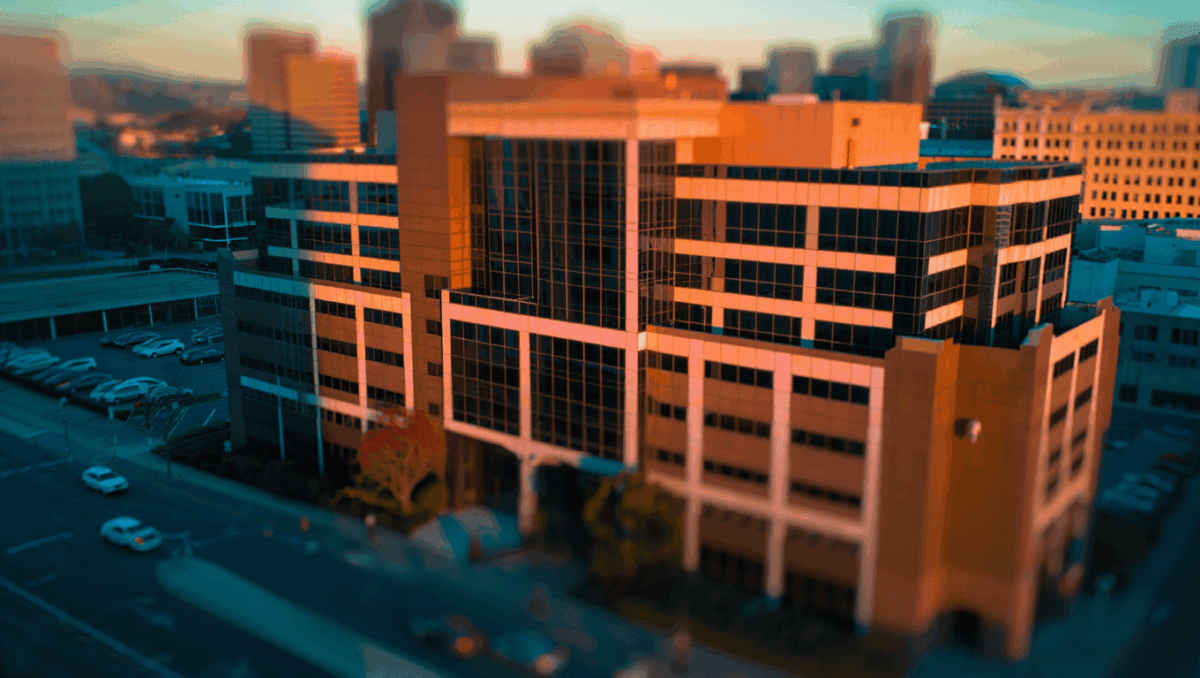
Office foreclosures hit the East Bay as property values plunge from their 2018 peak. The commercial real estate sector faces unprecedented challenges. What’s driving this historic collapse in valuations?
🔥 Quick Facts
- East Bay office vacancy reached 21.4-26.5% in Q3 2025, the highest in years
- Oakland Masonic Center foreclosed in November 2025 after $32.5M debt default
- Property originally purchased for $13.5 million in 2022, now controlled by lender
- Commercial property values down 20-30% across Bay Area since 2022
East Bay Office Market Faces Historic Collapse
Intuit emerges as best software stock for 2026 while stock crashes to bargain levels analysts didn’t expect
2026 tax brackets shock Americans with hidden paycheck truth nobody expected
The East Bay office market is experiencing its worst downturn in decades. Vacancy rates climbed to 21.4% to 26.5% in the third quarter of 2025, reflecting severe weakness across the commercial sector. Major markets like Oakland and Emeryville are seeing unprecedented stress as tenants abandon offices and property owners struggle with mounting debt.
The crisis reflects a broader national trend affecting commercial real estate portfolios. San Francisco’s office vacancy exceeded 30% by late 2025, as demand collapsed and property values spiraled downward. The pandemic accelerated remote work adoption, fundamentally reshaping how companies view office space. What began as temporary changes became permanent, leaving entire buildings empty and investors facing massive losses.
Recent Foreclosures Signal Deeper Trouble Ahead
Marcus Lemonis takes CEO role at Bed Bath & Beyond with $25M cost-cutting plan and watch what industry experts are saying about his next move
SPX surges 34 points at open with shocking tech recovery, here’s what caused the unexpected Venezuela rally
The Oakland Masonic Center foreclosure in November 2025 exemplifies the mounting pressure on property owners. The Broadway Medical Plaza at 3901-3903 Broadway was reclaimed by MidCap Financial through a deed-in-lieu foreclosure process after the unpaid debt reached $32.5 million. The lender had provided an initial $35.2 million loan in 2022 when Chicago-based Harrison Street Real Estate and Walnut Creek-based Meridian acquired the property for just $13.5 million.
This transaction reveals the catastrophic decline in office property values. The borrowers lost over $19 million in equity within three years. The property, which totals 61,300 square feet, now houses a Pace Center for Elders’ Independence, but that occupancy level proved insufficient to service the massive debt burden. Similar foreclosures are accelerating across Berkeley, Emeryville, and Oakland, with commercial properties, hotels, and residential towers all experiencing financial distress.
| Market Metric | Current Status |
| East Bay Office Vacancy Rate (Q3 2025) | 21.4% to 26.5% |
| San Francisco Office Vacancy Rate | 30%+ |
| National Commercial Property Decline | 20-30% since 2022 |
| Oakland Masonic Center Purchase Price (2022) | $13.5 million |
| Outstanding Debt at Foreclosure (2025) | $32.5 million |
Why Property Values Have Plunged 58% From Peak
The dramatic 58% decline in office property values since the 2018 peak stems from multiple converging factors. The pandemic permanently altered work patterns, with many tech companies and professional services firms adopting hybrid or fully remote models. This reduced demand for traditional office space by millions of square feet nationally, while supply remained constant, creating massive imbalances.
Rising interest rates have made commercial mortgage refinancing prohibitively expensive. Properties financed at 2-3% rates before 2022 now face renewal at 5-7% or higher, dramatically increasing debt service obligations. Investor confidence collapsed as cap rates compressed, making acquisitions economically irrational. Banks tightened commercial real estate lending standards, making it harder for struggling property owners to refinance debt or access capital for necessary improvements.
Investor Losses Mount Across Bay Area Markets
Buy-and-hold investors purchased office properties aggressively from 2015-2019 at peak valuations, often using significant leverage. Properties that seemed sound in 2020 became distressed assets by 2023-2025. Many owners face a grim choice: continue servicing massive debt on functionally obsolete real estate, attempt costly renovations to convert space to residential or mixed-use, or walk away through foreclosure.
The Alameda County recorded 193 commercial foreclosures as of early 2024, and the pace accelerated significantly through late 2025. Downtown San Francisco experienced the highest concentration of distressed properties, but surrounding markets like Oakland and the broader East Bay faced equally severe challenges. Some properties are being repurposed, but conversion costs often prove prohibitive, leaving buildings vacant and investors unable to recover their capital.
What Does the Future Hold for East Bay Office Space?
Recovery appears unlikely in the near term. Office market experts project weak demand through the end of 2025 and into 2026, with a prolonged recovery expected. Class A properties in prime locations with institutional-grade tenants will stabilize first, but secondary and tertiary office buildings face permanent demand destruction. Conversion to residential, medical offices, or mixed-use is occurring, but the pace remains slower than the rate of new vacancy creation.
The fundamental question driving investor decisions is whether office real estate will ever return to pre-pandemic demand levels. Most analysts believe it will not. The structural shift toward remote and hybrid work appears permanent, meaning office supply in major markets will likely exceed demand for years. This suggests further price declines are possible, putting additional downward pressure on properties still being marketed and refinanced throughout the Bay Area.
Sources
- East Bay Times / Silicon Valley Business Journal – November 2025 foreclosure reporting on Oakland Masonic Center
- Cushman & Wakefield – Q3 2025 East Bay office market vacancy data
- Colliers International – Bay Area commercial real estate market analysis

Patrick Graham is a business and finance journalist translating Wall Street’s complexities into stories that matter to everyday readers. With extensive experience in financial journalism and economic analysis, this expert journalist provides sharp insights on market trends, corporate developments, and the economic forces affecting daily life. His reporting helps readers make sense of the business world’s biggest moves.