
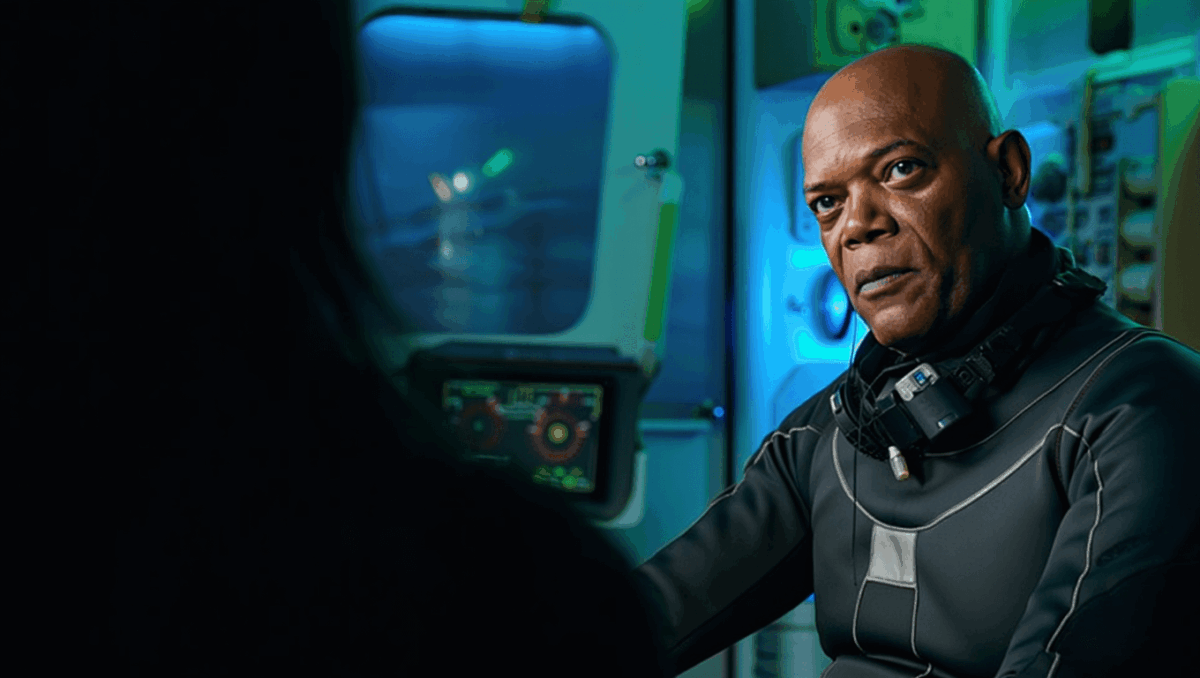
Samuel L. Jackson’s 1998 sci-fi flop Sphere stands as one of the most stunning failures in Michael Crichton’s filmography. Starring Jackson, Dustin Hoffman, and Sharon Stone, this underwater thriller crashed upon release with a devastating 12% Rotten Tomatoes score. Directed by Academy Award winner Barry Levinson, the adaptation proved that star power and pedigree cannot overcome fundamental storytelling problems.
🔥 Quick Facts
- Release Date: February 13, 1998, to negative reviews and box office failure
- Budget vs. Box Office: $60 million production cost earned only $37 million domestically
- Critical Score: Ranked 12th out of 13 Crichton adaptations by SlashFilm (2025)
- Cast Quality: A-list ensemble couldn’t salvage B-grade material, critics noted
When A-List Stars Cannot Salvage B-Grade Material
America’s Next Top Model documentary drops today on Netflix with shocking revelations
Dana Eden dies at 52, Tehran producer found dead in Athens hotel
Sphere assembled one of cinema’s most impressive casts to descend into an underwater alien vessel discovered on the ocean floor. Dustin Hoffman played psychologist Norman Goodman, while Samuel L. Jackson brought intensity as medical officer Harry Adams. Sharon Stone joined as biochemist Beth Halperin, supported by Liev Schreiber and Peter Coyote. Director Barry Levinson, who had won an Oscar for Rain Man and earned another nomination for Levinson’s work, overseen the adaptation’s troubled production with technical ambition but emotional detachment.
The chemistry between these powerhouse performers generated virtually zero spark. Critics questioned why such talented actors seemed so disengaged from the material. Audiences sensed the disconnect immediately, sending the film into a nosedive within weeks of its theatrical release.
How Michael Crichton’s Bestseller Became Box Office Poison
Tommy Lee Jones’ daughter was pregnant before her tragic death, court docs reveal
J Cole announces The Fall-Off world tour, first global dates in decades
Crichton’s 1987 novel Sphere had sold millions of copies and captivated readers with its exploration of fear, isolation, and consciousness beneath crushing ocean pressures. The source material proved rich with psychological complexity and scientific concepts that fascinated audiences everywhere. Yet translating that intellectual engagement to screen proved disastrous.
The SlashFilm ranking analysis noted that Sphere represented a complete failure to translate Crichton’s cerebral approach to filmmaking. While the novel balanced information-dense suspense with character development, the adaptation reduced these elements to background noise for underwater action sequences that never materialized meaningfully.
The Critical Consensus on Crichton’s Failed Adaptation
| Metric | Score/Result |
| Rotten Tomatoes Critics | 12% (50 reviews) |
| IMDB Rating | 6.1 out of 10 |
| Box Office Total | $36.8 to $37 million (major loss) |
| Crichton Adaptation Ranking | 12th out of 13 (only Timeline worse) |
“Sphere features an A-level cast working with B-grade material, with a story seen previously in superior science-fiction films.”
— Rotten Tomatoes, Official Critics Consensus
Why Academy Award Winner Barry Levinson Failed Crichton’s Complex Novel
Barry Levinson’s filmography demonstrated genuine directorial prowess in Rain Man, Diner, and Good Morning, Vietnam. Yet Sphere required a different skill set entirely. The material demanded balance between hard science fiction concepts and human psychological drama. Levinson attempted neither convincingly. He delivered a mechanistic film that checked boxes without generating tension, wonder, or genuine emotional investment from viewers.
The decision to emphasize visual spectacle over intellectual engagement ultimately doomed this adaptation. Samuel L. Jackson, despite his professional commitment, and the rest of the ensemble simply read their lines and collected paychecks. Even Roger Ebert’s review acknowledged the film’s conceptual confusion, noting its superficial approach to Crichton’s exploration of consciousness and power.
Could Sphere Ever Have Been an Exceptional Film?
Industry analysts suggest Sphere might have thrived as an HBO miniseries rather than a feature film. The novel’s dense philosophical questions about reality, identity, and transformation required more time than Hollywood’s theatrical format allowed. A screenplay adapter’s struggle to compress Crichton’s information-heavy narrative into two hours ultimately produced a film that satisfied no one. Fans of the novel criticized the omissions. General audiences found the pacing glacial and the dialogue overly technical. Critics dismissed it as pretentious sci-fi that took itself seriously without earning that privilege through superior storytelling or impressive visual effects.
Today, Sphere remains a cautionary tale about assembling talent without understanding a project’s fundamental challenges. Samuel L. Jackson moved forward to greater successes, while the film faded from collective memory except as a punchline about 1990s excess in Hollywood.
Sources
- SlashFilm – Every Michael Crichton Movie Adaptation, Ranked (June 2, 2025)
- Rotten Tomatoes – Sphere (1998) critical consensus and reviews
- Wikipedia – Sphere (1998 film) production and box office details

Jessica Morrison is a seasoned entertainment writer with over a decade of experience covering television, film, and pop culture. After earning a degree in journalism from New York University, she worked as a freelance writer for various entertainment magazines before joining red94.net. Her expertise lies in analyzing television series, from groundbreaking dramas to light-hearted comedies, and she often provides in-depth reviews and industry insights. Outside of writing, Jessica is an avid film buff and enjoys discovering new indie movies at local festivals.