
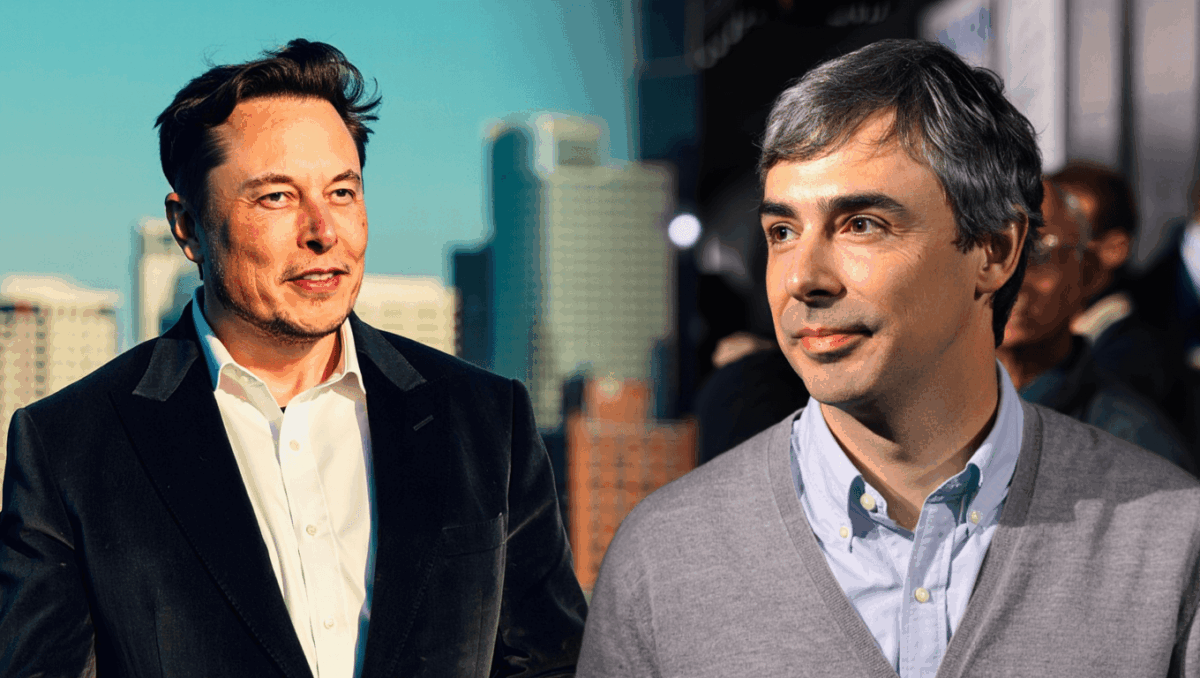
Larry Page‘s fortune has hit an estimated $265 billion, cementing his position as the second richest person on Earth. But Elon Musk has soared so far beyond him that he’s now worth roughly double the Google cofounder’s wealth, bringing the gap between tech titans to shocking new heights.
🔥 Quick Facts
- Larry Page net worth: $265 billion as of December 2025
- Elon Musk net worth: Estimated $648-$677 billion, more than double Page’s wealth
- SpaceX valuation boost to $800 billion fueled Musk’s unprecedented wealth surge
- Google Alphabet stock surge added $96.8 billion to Page’s fortune this year
How Larry Page Reached $265 Billion
Intuit emerges as best software stock for 2026 while stock crashes to bargain levels analysts didn’t expect
2026 tax brackets shock Americans with hidden paycheck truth nobody expected
Larry Page gained tremendous wealth through his Alphabet Inc. holdings (Google’s parent company). The Google cofounder and former CEO holds significant equity stakes that appreciate as the company grows. Page’s fortune surged dramatically in 2025 thanks to a remarkable stock rally driven by artificial intelligence innovations and market confidence.
Back in November 2025, Page overtook Jeff Bezos to claim the number two spot on the global billionaires list after enjoying a $6 billion single-day surge. By early December, his total wealth exceeded $262 billion, and recent reports push that figure to $265 billion this month. His wealth grew by approximately $96.8 billion throughout 2025 alone.
Marcus Lemonis takes CEO role at Bed Bath & Beyond with $25M cost-cutting plan and watch what industry experts are saying about his next move
SPX surges 34 points at open with shocking tech recovery, here’s what caused the unexpected Venezuela rally
Page’s fortune represents roughly 15% of Alphabet’s total market value, with his voting power concentrated through special Class B shares that he and co-founder Sergey Brin control together. This structure gives Page outsized influence despite not personally running the company since 2019.
Elon Musk’s Stratospheric Rise Past $600 Billion
Elon Musk has become the first individual ever to surpass a $600 billion net worth, with estimates now placing his fortune at $648-$677 billion as of mid-December. The Tesla CEO and SpaceX owner achieved this historic milestone after his rocket company received a new valuation pushing it toward an $800 billion IPO valuation.
Musk’s wealth explosion occurred rapidly over just a few months. By December 15, Forbes confirmed he had crossed the $600 billion threshold for the first time in human history. The bulk of Musk’s fortune comes from his approximately 42% ownership stake in SpaceX, which alone is now valued higher than most Fortune 500 companies. Tesla stock gains and his minority positions in other ventures like X (formerly Twitter) and Neuralink add hundreds of billions more.
What makes Musk’s position even more dramatic is the speed of his accumulation. He’s on track to become the world’s first trillionaire by 2027 if wealth gains continue at comparable rates, according to some financial analysts and projections.
The Wealth Gap: Double the Distance Between #1 and #2
The disparity between Musk and Page represents one of the most unequal wealth concentrations ever recorded. At current estimates, Musk holds roughly $383-$412 billion more than the Google cofounder, making him worth effectively double the second richest person on the planet. No previous era has seen such a dramatic gap between the number one and number two positions.
For context, consider that Page’s entire $265 billion fortune would rank him as extraordinarily wealthy in any normal scenario. He’s richer than most countries’ annual GDPs and wealthier than nearly every historical figure adjusted for inflation. Yet from Musk’s perspective, Page’s fortune represents merely half of what he controls. This inverted comparison highlights just how exceptional Musk’s wealth concentration has become.
| Billionaire | Net Worth (December 2025) | Primary Source |
| Elon Musk | $648-$677 Billion | Tesla, SpaceX (42% stake) |
| Larry Page | $265 Billion | Alphabet Inc. (Google) |
| Wealth Gap | $383-$412 Billion | Musk’s Fortune ÷ 2 = Page |
Who Follows Page on the Billionaires List?
With Larry Page firmly locked into the number two position, several other tech titans compete for the third spot. Larry Ellison (Oracle founder) holds approximately $240 billion, followed by Jeff Bezos (Amazon) with roughly $235 billion. Sergey Brin, Page’s Google cofounder, controls about $247 billion, placing him narrowly ahead of Ellison and Bezos.
Mark Zuckerberg (Meta founder) rounds out the traditional tech elite with approximately $225 billion, though his wealth fluctuates based on Meta stock performance. These five individuals collectively control over $1 trillion in wealth, demonstrating how concentrated tech fortunes have become. Yet even their combined fortune pales compared to Musk’s singular achievement of crossing into historic $600+ billion territory.
What Explains This Unprecedented Wealth Gap?
Musk’s dominance stems primarily from SpaceX‘s explosive valuation increase, which now trades at valuations suggesting it will soon go public at $800 billion. This private company alone represents more wealth than most public corporations. By contrast, Page’s wealth derives from public Alphabet stock holdings, which appreciate gradually with company fundamentals rather than speculative private market dynamics.
Additionally, Musk maintains direct control and voting stakes across multiple companies including Tesla, while Page maintains significant positions in Alphabet but less direct operational control. The difference between owning 100% of a private rocket company valued at $800 billion versus holding large but diluted stakes in public companies creates vastly different wealth trajectories. These structural differences help explain how Musk has managed to accumulate nearly double Page’s fortune despite both being legendary tech entrepreneurs.

Patrick Graham is a business and finance journalist translating Wall Street’s complexities into stories that matter to everyday readers. With extensive experience in financial journalism and economic analysis, this expert journalist provides sharp insights on market trends, corporate developments, and the economic forces affecting daily life. His reporting helps readers make sense of the business world’s biggest moves.