
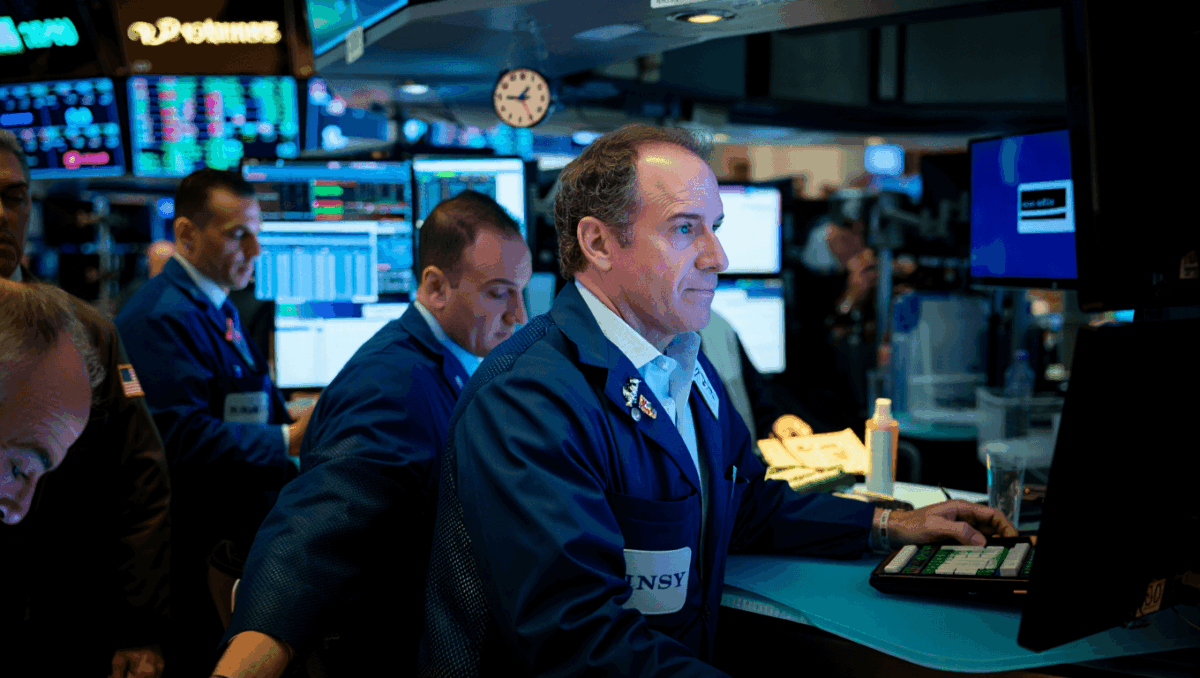
Is the stock market open on New Year’s Eve? Yes, but here’s what traders need to know before tomorrow’s closing bell at 4 PM ET. While equity markets operate on a regular schedule, bond markets tell a different story—and the distinction could impact your year-end strategy.
🔥 Quick Facts
- NYSE and Nasdaq will operate normal trading hours: 9:30 AM to 4:00 PM ET
- Bond markets close early at 2:00 PM ET on December 31
- Stock markets are closed on January 1 for New Year’s Day
- Markets reopen on Friday, January 2, 2026 at regular hours
Stock Markets Operating at Normal Hours on New Year’s Eve
Intuit emerges as best software stock for 2026 while stock crashes to bargain levels analysts didn’t expect
2026 tax brackets shock Americans with hidden paycheck truth nobody expected
Contrary to expectations, the New York Stock Exchange and Nasdaq will not close early on December 31. Both major U.S. equity markets will operate their standard trading schedule from 9:30 AM Eastern Time through 4:00 PM ET. This gives traders a full day to execute year-end positions and adjust their portfolios.
The regular closing auction will commence at 4:00 PM ET as usual. Pre-market trading begins at 4:00 AM ET for those looking to position trades ahead of the full market open. After-hours trading will run until 8:00 PM ET for investors seeking extended access.
Bond Markets Close Early at 2 PM Eastern Time
Marcus Lemonis takes CEO role at Bed Bath & Beyond with $25M cost-cutting plan and watch what industry experts are saying about his next move
SPX surges 34 points at open with shocking tech recovery, here’s what caused the unexpected Venezuela rally
While equity traders get a full day, fixed income investors should note a critical scheduling change. Bond markets will close early on New Year’s Eve, shutting down at 2:00 PM ET instead of the standard 4:00 PM ET. This two-hour early closure reflects the holiday period and reduces liquidity for fixed income instruments.
Treasury trading and corporate bond markets follow this schedule. Traders holding bond positions should plan their transactions accordingly to avoid being caught on the wrong side of a liquidity squeeze as the market approaches the early close.
Trading Schedule Comparison and Market Hours
| Market Type | Opening | Closing |
| NYSE/Nasdaq Equities | 9:30 AM ET | 4:00 PM ET |
| Bond Markets | 5:30 AM ET | 2:00 PM ET |
| Pre-Market Trading | 4:00 AM ET | 9:30 AM ET |
| After-Hours Session | 4:00 PM ET | 8:00 PM ET |
What Happens the Day After: Markets Closed on New Year’s Day
All financial markets will be completely closed on January 1, 2026, observing New Year’s Day. The Federal Reserve observes this federal holiday, meaning no clearing house services or settlement activities occur. This creates a three-day weekend for traders and investors coming off the holiday schedule.
Markets reopen on Friday, January 2, 2026, at regular business hours. Traders should prepare for potential volatility as markets absorb any news or developments that occurred during the extended break. Planning ahead for this longer weekend is essential for position management and risk control.
How Should Investors Plan for New Year’s Eve Trading Today?
Investors considering year-end trades should act quickly to complete equity transactions before the 4:00 PM ET close. The full trading day provides ample opportunity, but settlement timing matters significantly for tax purposes and year-end accounting. Completing trades early enough ensures proper T+2 settlement before the year ends.
For those holding bond positions, the 2:00 PM ET early close means action must happen even sooner. Rebalancing fixed income portfolios requires tighter timing to avoid missing the close window. Confirm all broker systems are operational and orders are placed well ahead of market closing to prevent last-minute execution issues.

Patrick Graham is a business and finance journalist translating Wall Street’s complexities into stories that matter to everyday readers. With extensive experience in financial journalism and economic analysis, this expert journalist provides sharp insights on market trends, corporate developments, and the economic forces affecting daily life. His reporting helps readers make sense of the business world’s biggest moves.